



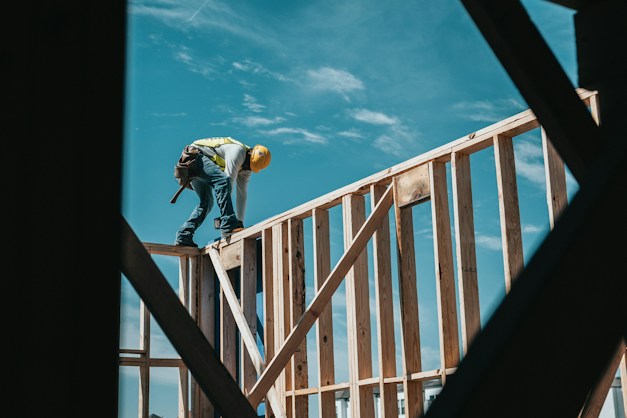
Facades, car parks, pavers and loading docks — cleaned with high-pressure water and the right detergent for the surface. Stains, grime and mould gone, without damaging what is underneath.
Tell us what needs washing.
What you need to consider about
Typical frequency
1 - 2 times a year
When we work
After hours, weekends
You need to be there
No, our supervisor is
What’s included
Hard surfaces, inside and out.
We match pressure and detergent to the surface, so brick, render and timber are cleaned without being stripped.
Building facades
Brick, rendered and cladded walls.
Car parks and driveways
Oil, tyre marks and built-up grime.
Tile, concrete and pavers
Walkways, forecourts and entries.
Fences and carports
Metal, timber and masonry.
Decks and patios
Lower pressure for timber surfaces.
Graffiti and excess mortar
Removal without scarring the wall.
Where we do it
Commercial sites of every size.
Lorem ipsum dolor sit amet consectetur adipiscing elit, sed do eiusmod tempor incididunt.
Large buildings
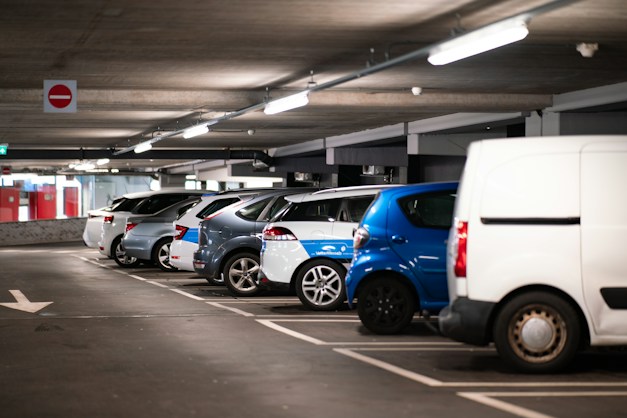
Parking garages
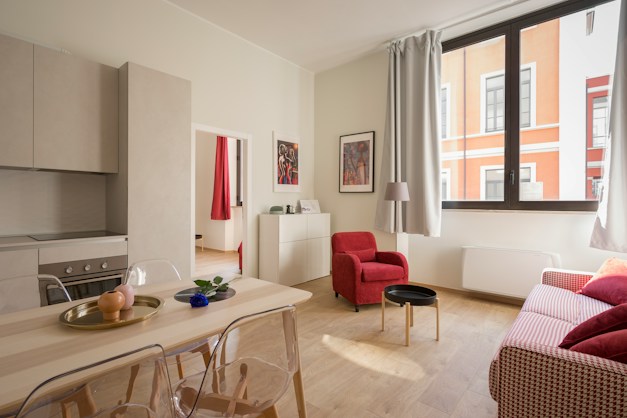
Apartments
Medical centres
Warehouses
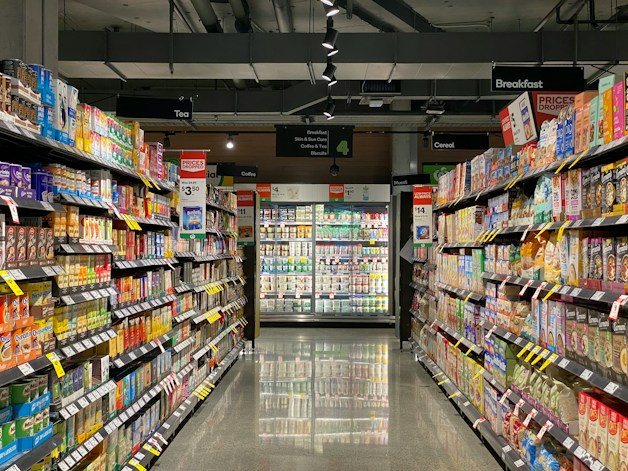
Retail centres
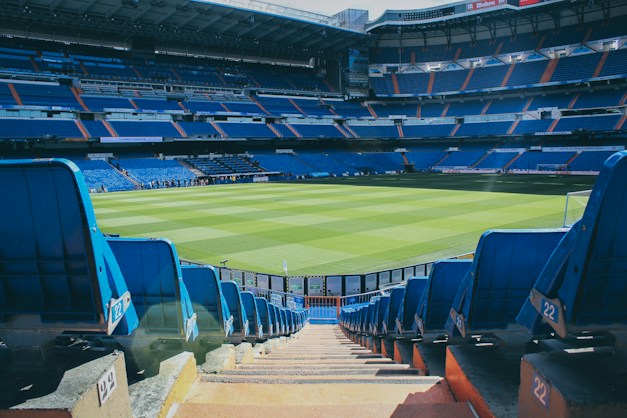
Stadiums
Construction sites
How we do it
Surface first, pressure second.
Most damage from pressure washing comes from using one setting for everything. We test before we wash.
1. Inspect
2. Protect and isolate
3. Wash
4. Rinse and check
1. Inspect
We check the surface on a small area and set pressure and nozzle to suit.
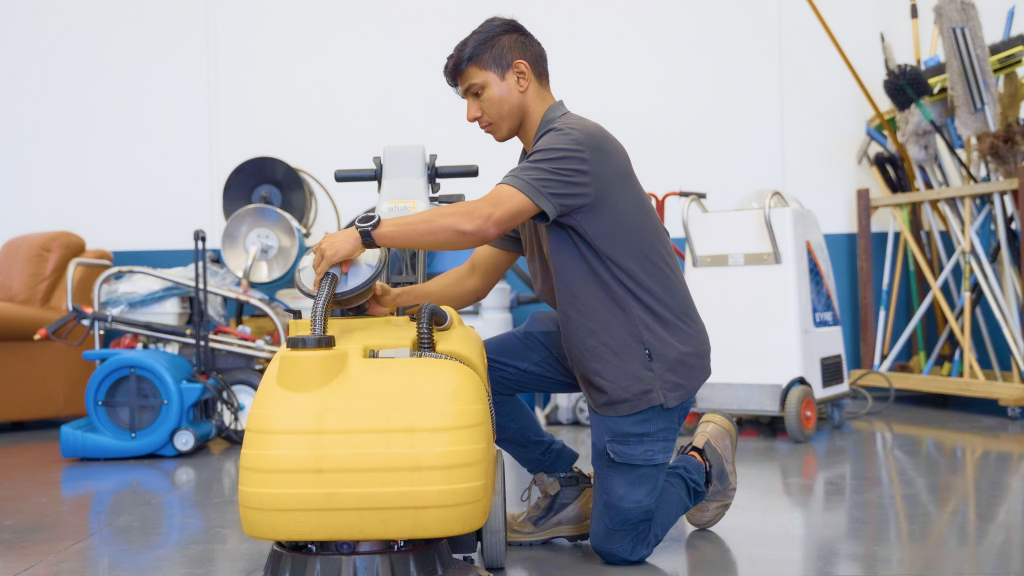
2. Protect and isolate
We match pressure and detergent to the surface, so brick, render and timber are cleaned without being stripped.
3. Wash
Facades, car parks, pavers and loading docks — cleaned with high-pressure water and the right detergent for the surface.
4. Rinse and check
Stains, grime and mould gone, without damaging what is underneath.

Checked, licensed, and on paper before we start.
Pressure washing often means working at height and around the public. Our crews are licensed for both.
